...

Why Sequim Is the Lavender Capital of North America

Few places in the world grow lavender as well as Sequim, Washington. Thanks to its unique climate and location in the Olympic Rain Shadow, this small town on Washington’s Olympic Peninsula has become known as the Lavender Capital of North America. Each summer, visitors travel to see the vibrant purple fields, explore local Sequim lavender farms, and experience the fragrance and beauty of lavender growing in one of the most unexpected places in the Pacific Northwest.
Why does lavender grow so well in Sequim, Washington?

Sequim, Washington is known as the Lavender Capital of North America because its location in the Olympic Rain Shadow creates an unusually dry climate for the Pacific Northwest. While nearby areas receive more than 35 inches of rain each year, Sequim averages closer to 16 inches annually. Lavender thrives in dry, sunny conditions with well-drained soil, making Sequim one of the best places in North America to grow lavender.

Lavender Capital of North America

The Unique Climate That Makes Lavender Thrive

Sequim sits within the Olympic Rain Shadow, a rare weather phenomenon that dramatically reduces rainfall in the region. Moist Pacific storms release most of their precipitation on the western slopes of the Olympic Mountains before reaching the Sequim-Dungeness Valley. By the time the air descends toward Sequim, it is significantly drier.

This unique climate gives Sequim more sunshine and far less rain than many surrounding areas in Western Washington. Lavender plants prefer exactly these conditions. The plant evolved in Mediterranean regions that experience warm summers, good air circulation, and soil that drains quickly after rain. Sequim’s environment closely mirrors those conditions, allowing lavender to flourish.

Lavender thrives best when it has:

  • Plenty of sunshine

  • Well-drained soil

  • Dry summer weather

  • Good air circulation

The Sequim Valley naturally provides all of these conditions.

Tip:

Lavender actually prefers lean soil rather than rich garden soil. Too many nutrients encourage leafy growth but reduce the plant’s fragrance and essential oil concentration.

The Olympic Rain Shadow Explained

The Olympic Mountains play a major role in shaping Sequim’s climate. When moist air from the Pacific Ocean moves inland, it rises as it encounters the mountains. As the air rises, it cools and releases moisture as rain or snow on the western side of the range.

Once the air passes over the mountains and descends toward Sequim, it has already lost much of its moisture. This creates a noticeably drier climate in the valley below. As a result, Sequim receives significantly less rainfall than many nearby cities in Western Washington.


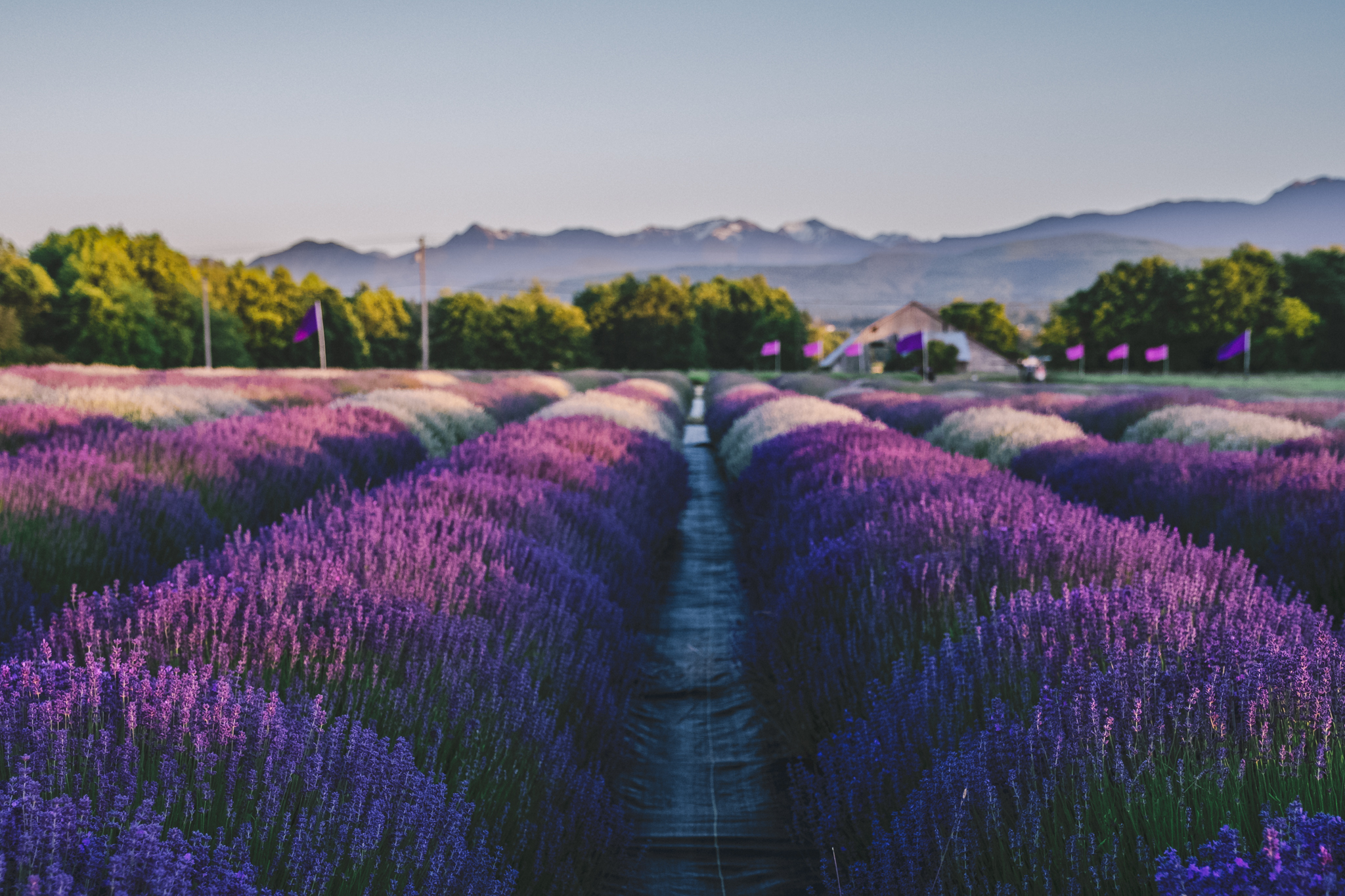
This dry microclimate allows lavender plants to grow with fewer issues related to excessive moisture, such as root rot or fungal disease. Combined with sunny summer days and well-draining soils, the region provides excellent growing conditions for lavender.

Olympic Mountains and Lavender

Did you Know?

Sequim receives only about 16 inches of rain per year, far less than nearby cities like Seattle, creating the dry conditions lavender prefers.

How Lavender Became Sequim’s Signature Crop

Lavender farming began expanding in Sequim during the 1990s when local farmers realized how well lavender thrived in the valley’s dry climate. Over time, more farms began planting lavender, and the region developed a reputation for producing high-quality lavender and lavender products.

Today the area is home to numerous farms that grow lavender for culinary use, essential oils, and handcrafted products. The region also hosts the well-known Sequim Lavender Festival, which draws thousands of visitors each summer to see the fields in bloom and celebrate the harvest.

As lavender farming continued to grow, Sequim earned its reputation as the Lavender Capital of North America.

Lavender

Where are the lavender farms in Sequim?

Sequim lavender farms are located throughout the Sequim-Dungeness Valley on Washington’s Olympic Peninsula. The region’s dry climate and sunny summers create ideal growing conditions, allowing farmers to cultivate beautiful lavender fields across the valley.

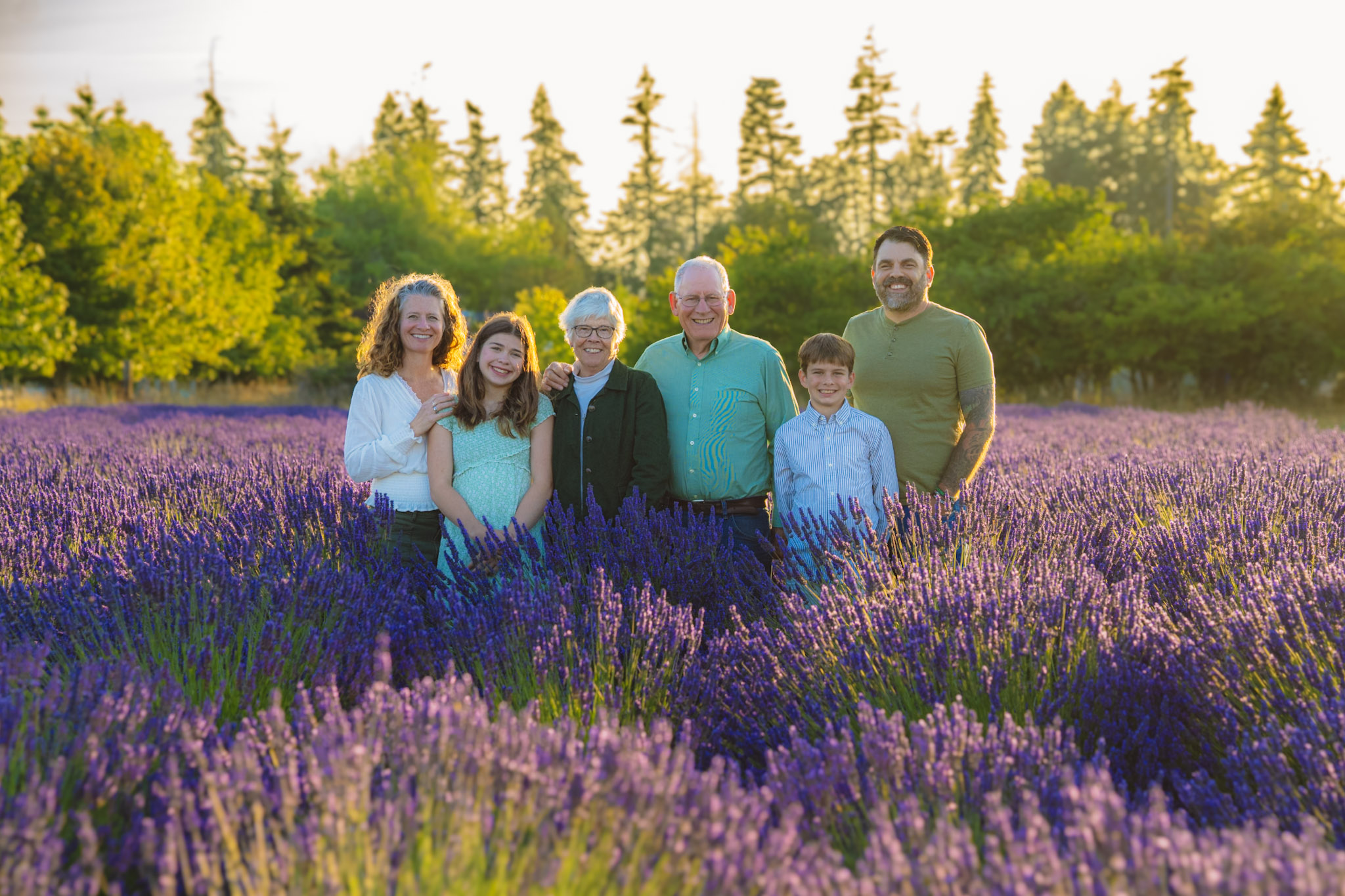
Visitors exploring the area can experience several family-run farms where lavender is grown, harvested, and transformed into a variety of products. One of those farms is B&B Family Lavender Farm, where guests can walk through the fields, learn about how lavender is grown, and experience the fragrance of fresh lavender during the summer bloom.

Today visitors come from across the country to explore the many Sequim lavender farms that fill the Sequim-Dungeness Valley each summer.

If you’re planning a trip, you can also read our guide on the best time to see lavender in Sequim.

B&B Family

Growing Lavender at B&B Family Lavender Farm

At B&B Family Lavender Farm, lavender is grown with careful attention to plant health, soil quality, and sustainable farming practices. Each season involves planting, pruning, and harvesting the lavender at just the right time to preserve its fragrance and natural oils.

Lavender grown on the farm is used to create a variety of products, including:

  • Lavender sachets

  • Culinary lavender

  • Essential oils

  • Other Handcrafted lavender products

Visitors to the farm can experience the fields in bloom, learn how lavender is grown and harvested, and discover the many ways lavender can be enjoyed.

Rob Schroenherr

Plan Your Visit to Sequim Lavender

Visit B&B Family Lavender Farm

If you're visiting Sequim during lavender season, B&B Family Lavender Farm offers a relaxed, less crowded experience with wide open fields and handcrafted lavender products.

Get Directions
Shop Lavender Products