...

Lavender vs Lavandin: What’s the Difference?

Lavender and lavandin are often confused, but they are not the same. While they look similar, they differ in scent, uses, and whether they’re suitable for cooking. In this guide, you’ll learn the key differences between lavender and lavandin and which one is best for your needs.

What is Lavender?

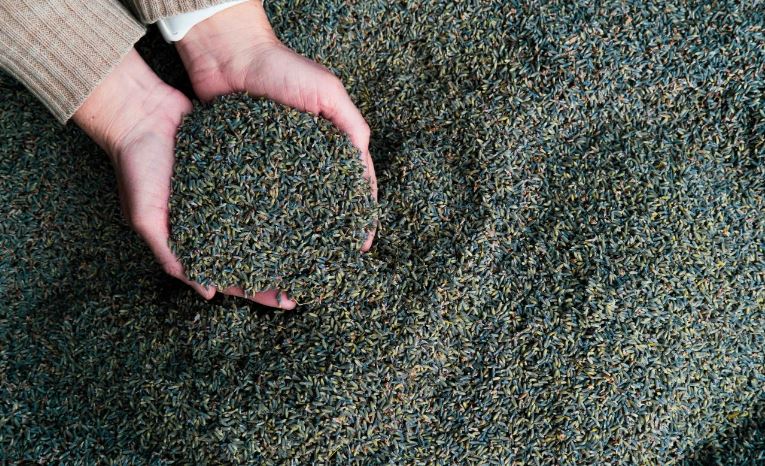
Lavender typically refers to Lavandula angustifolia, also known as English lavender or true lavender. This species is known for its sweet, floral scent and is widely used for culinary purposes, essential oils, and personal care products.

Lavender is commonly used for:

  • Cooking and baking
  • Teas and beverages
  • Essential oils
  • Aromatherapy

Because of its low camphor content, it has a smooth, pleasant flavor that works well in food.

Culinary Lavender

What is Lavandin?

Lavandin (Lavandula x intermedia) is a hybrid of Lavandula angustifolia and Lavandula latifolia. It is commonly grown for its strong scent and high oil production.

Lavandin is typically used for:

  • Sachets and home fragrance
  • Essential oils
  • Cleaning products
  • Candles and soaps


Because of its higher camphor content, lavandin has a sharper, more medicinal scent and is not typically used for cooking.

Grosso Lavender Bud

Lavender vs Lavandin: Key Differences

  • Flavor:
    Lavender is mild and sweet, while lavandin is stronger and more bitter.
  • Scent:
    Lavender has a soft floral scent, while lavandin is more intense and camphor-like.
  • Best Use:
    Lavender is best for cooking and culinary use, while lavandin is better for products and fragrance.
  • Oil Production:
    Lavandin produces more essential oil, making it more common in commercial products. 

Tip:

If you’re cooking, always choose English lavender (Lavandula angustifolia). Lavandin has a much stronger, more camphor-like flavor that can make food taste bitter or soapy.


Which One is Better?

It depends on how you plan to use it.

  • Choose lavender (Lavandula angustifolia) if you want to cook, bake, or make tea.
  • Choose lavandin (Lavandula x intermedia) if you want strong fragrance for sachets, oils, or home products.

👉 If you’re cooking, always choose true lavender for the best flavor.

how to dry lavender

Can You Eat Lavandin?

Lavandin is not toxic, but it is not recommended for cooking. Its higher camphor content gives it a strong, bitter flavor that can make food taste unpleasant.

For culinary use, stick with English lavender.

👉 Learn more about which lavender is edible before using it in recipes.

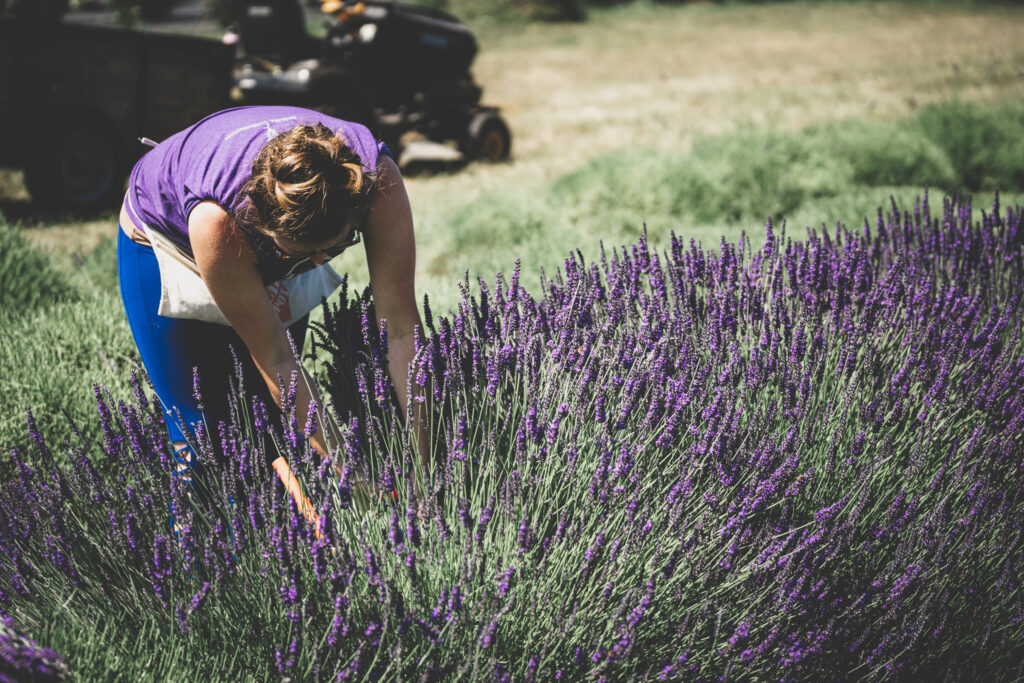
How Lavender Is Harvested

How to Tell Lavender and Lavandin Apart

  • Lavender (angustifolia):
    • Shorter stems
    • Softer scent
    • Deep purple or blue color
  • Lavandin (intermedia):
    • Longer stems
    • Strong, camphor scent
    • Slightly grayish-purple color

If it smells sharp or medicinal, it’s likely lavandin.

Lavender Bud Angustifolia - Tin

Lavender vs Lavandin FAQs

No, lavandin is a hybrid plant, while true lavender refers to Lavandula angustifolia.

Lavender (Lavandula angustifolia) is better for cooking because it has a mild, sweet flavor.

Lavandin contains more camphor and produces more essential oil, giving it a stronger scent.

Yes, lavandin is often less expensive because it produces higher yields and more oil.

For fragrance and products, yes. For cooking, no—lavandin can make food taste bitter.

Accordion Content

Learn More About Lavender

Visit B&B Family Lavender Farm

If you're visiting Sequim during lavender season, B&B Family Lavender Farm offers a relaxed, less crowded experience with wide open fields and handcrafted lavender products.

Get Directions
Shop Lavender Products