...

How to Grow Lavender Successfully (Complete Growing Guide)

Lavender is a hardy Mediterranean plant that is relatively easy to grow when the right conditions are provided. The key to growing healthy lavender plants is sunlight, well-drained soil, and avoiding excessive water or fertilizer.

When planted in the right environment, lavender can thrive for many years and produce fragrant flowers that can be harvested for bundles, drying, culinary uses, and lavender products.

This guide explains how to grow lavender successfully, including soil requirements, watering, spacing, and planting tips based on real farm growing practices.
Quick Answer: How to Grow Lavender

Lavender grows best when planted in full sun and well-drained soil.

To grow lavender successfully:

• Plant in sandy or loamy soil with excellent drainage
• Provide full sunlight throughout the day
• Avoid overwatering once plants are established
• Add a small amount of compost at planting
• Space plants properly so mature plants have room to grow

When these basic conditions are met, lavender is one of the lowest-maintenance plants you can grow.

How to Grow Lavender

Choosing the Right Location

Lavender thrives in locations that receive full sunlight for most of the day. At least 6–8 hours of direct sun is recommended for healthy plants and strong flower production.

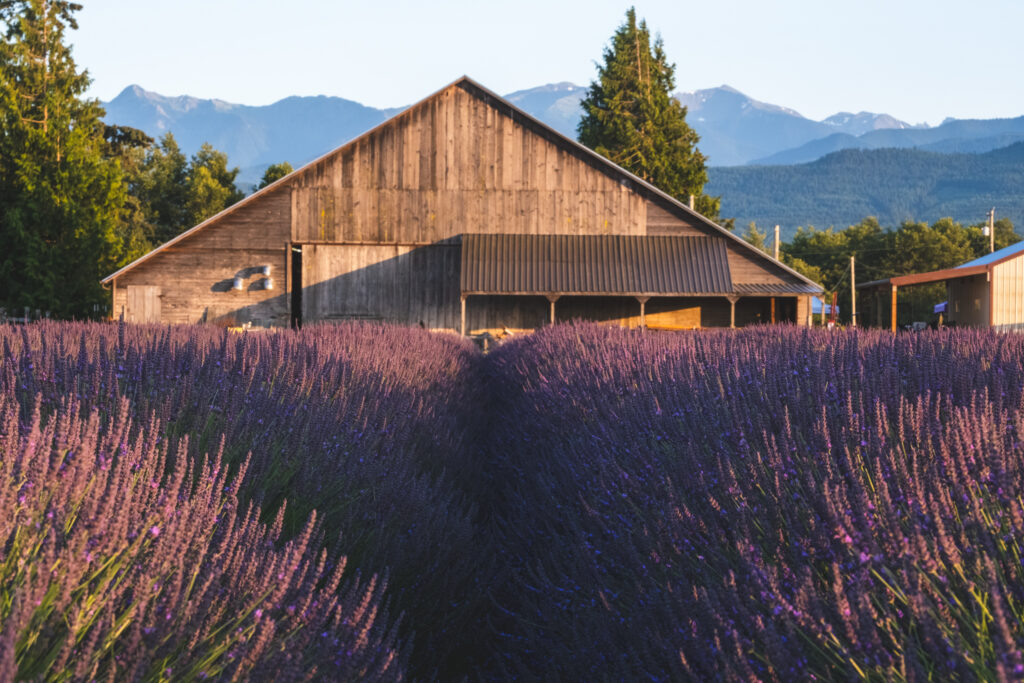
Lavender prefers climates that are warm and relatively dry during the growing season. In places like Sequim, Washington — which sits in the Olympic rain shadow — lavender grows particularly well because of the combination of sun and well-drained soils.

Avoid planting lavender in low areas where water collects or where soil remains wet after rain.

Tip From the Farm:

Lavender plants will almost always struggle in areas where water collects after rain. A simple way to test a planting location is to watch how the soil behaves after a heavy rain. If water sits on the surface or the ground stays wet for long periods, lavender will likely have trouble establishing. Planting on slight slopes, raised beds, or naturally well-drained soils can make a big difference in long-term plant health.

Soil Requirements for Lavender

Soil drainage is one of the most important factors for growing lavender successfully.

Lavender plants require well-drained sandy or loamy soil. Heavy clay soils that hold water can cause lavender roots to rot, which is one of the most common reasons plants fail.

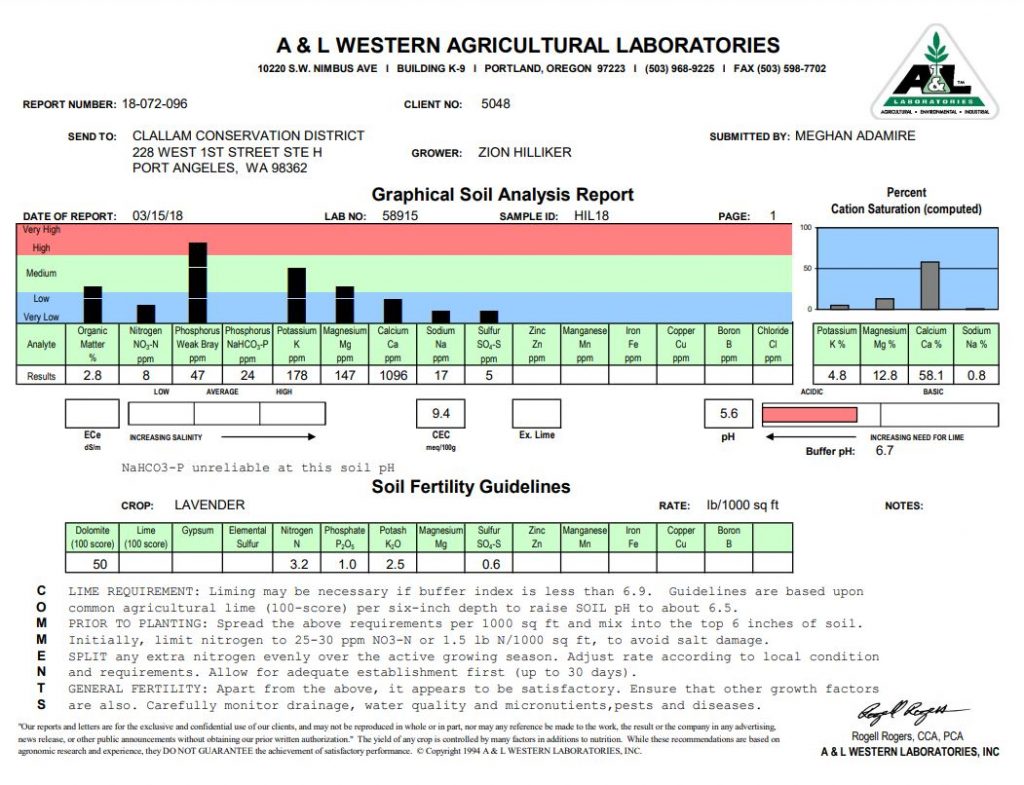
Before planting lavender, it can be helpful to conduct a soil test to understand your soil composition and nutrient levels.

Lavender is not a heavy feeder and generally grows well in moderately fertile soil.

Soil Test

Adding Compost and Nutrients

Lavender does not require large amounts of fertilizer.

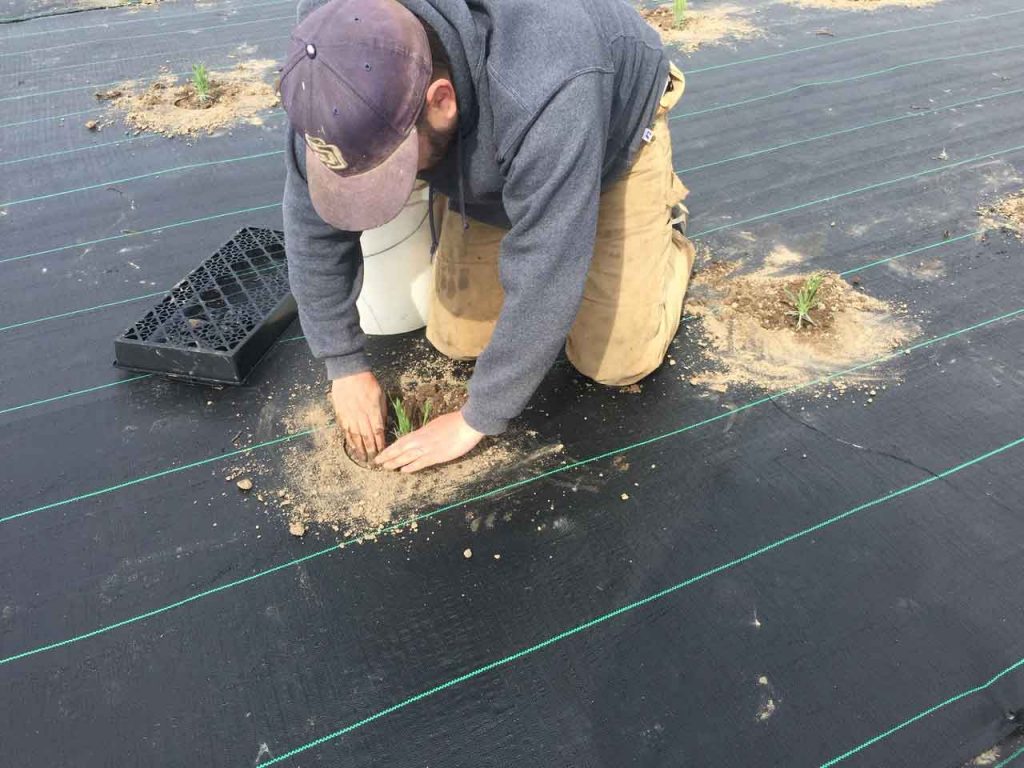
When planting lavender, a small amount of compost mixed into the soil is usually enough to help plants establish themselves.

If a soil test shows that your soil is low in phosphorus, a small handful of bone meal can be added at planting to support early root development.

Too much fertilizer can actually cause lavender plants to produce excessive leafy growth with fewer flowers.

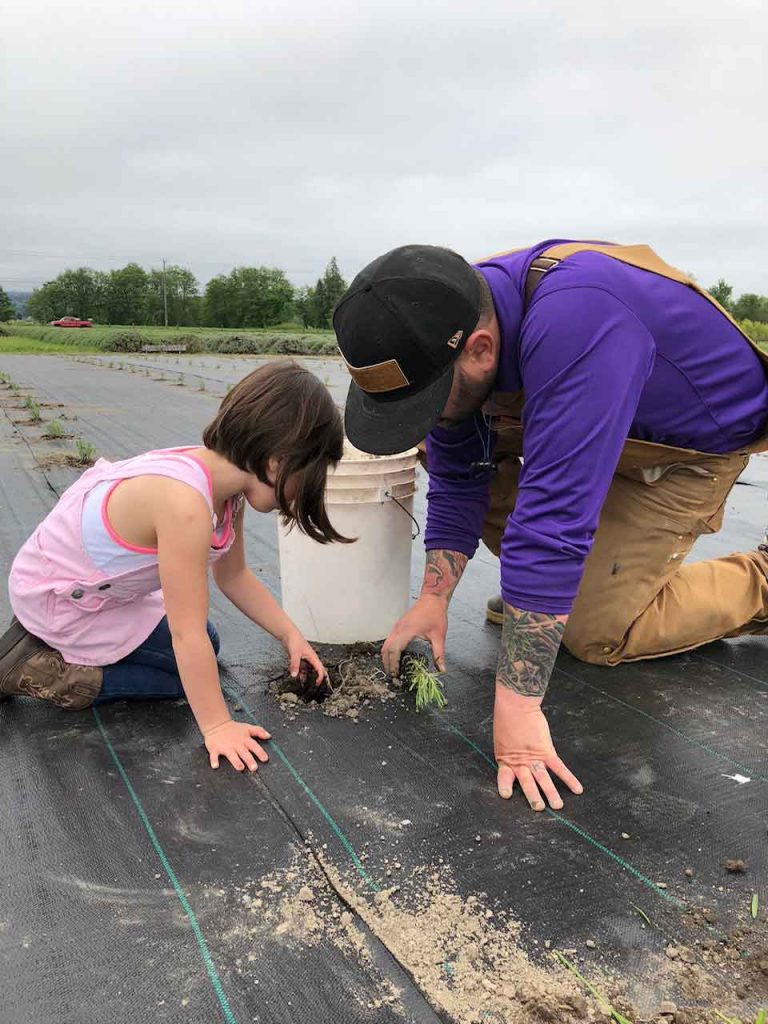
Zion Planting Lavender

How Far Apart to Plant Lavender

Lavender plants can become surprisingly large when mature.

Many varieties can grow up to 6 feet wide when in full bloom, so spacing is important for healthy growth and airflow.

General spacing recommendations:

3 feet apart if you want plants to grow together and form a hedge
4–6 feet apart if you want individual plants with more space


Planting lavender too close together can lead to overcrowding and poor air circulation, which may increase disease problems.

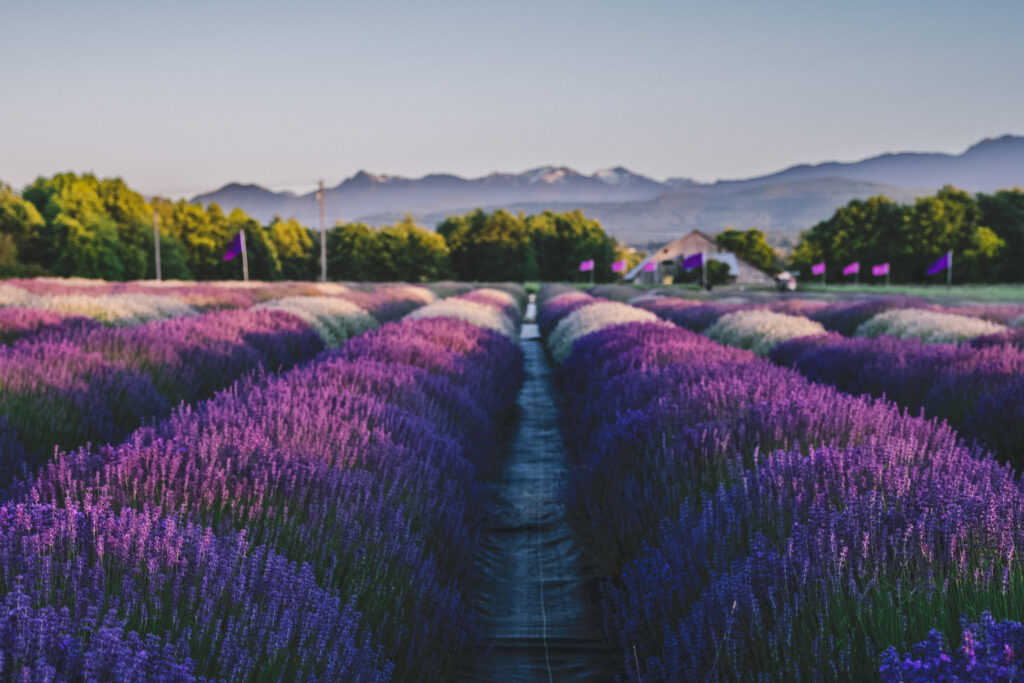
Lavender Capital of North America

Pruning Lavender Plants

Regular pruning helps lavender plants stay compact and productive.

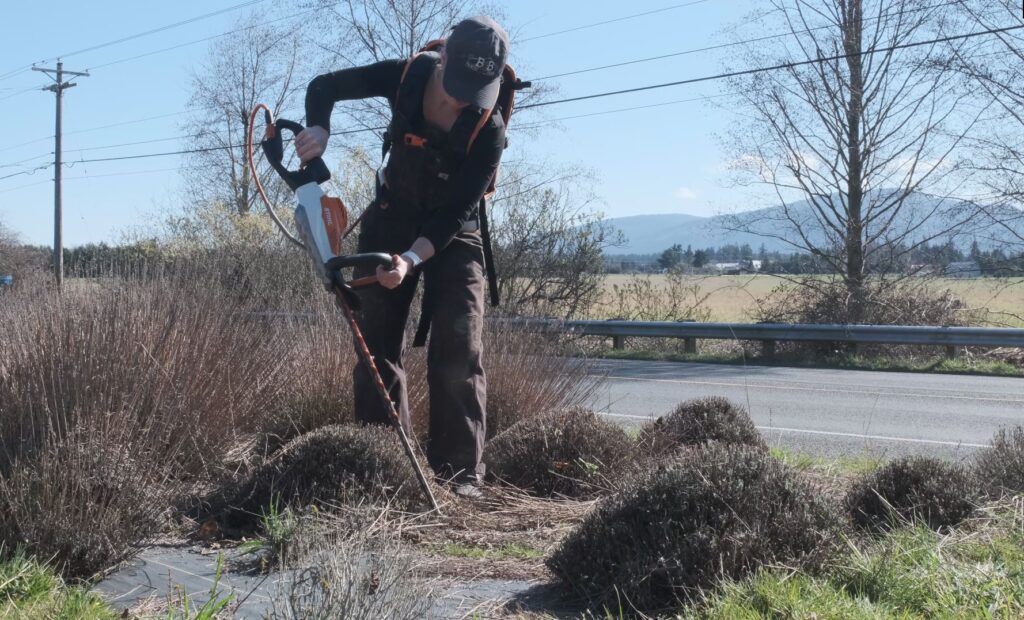
Lavender should typically be pruned once per year, usually after the plant has finished flowering or gone dormant.

Pruning prevents plants from becoming woody and encourages healthy new growth for the following season.

You can learn more in our guide on when to prune lavender.

Kristy Trimming Lavender

Harvesting Lavender

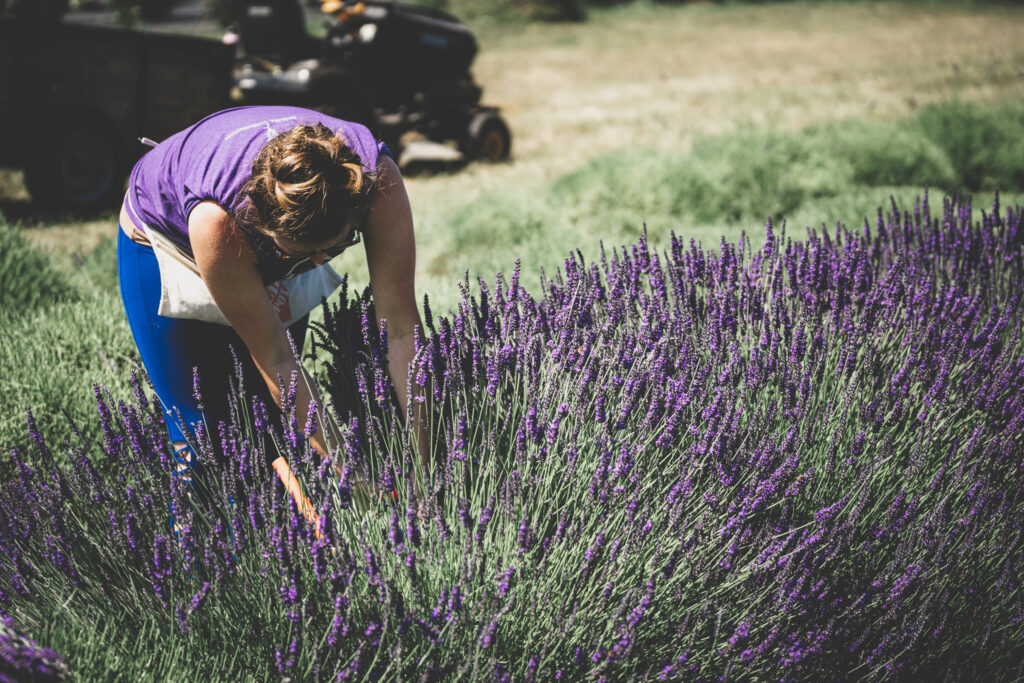
Lavender is usually harvested when the buds are fully developed and just beginning to open.

At this stage, the flowers contain the highest concentration of aromatic oils, which helps preserve fragrance when the lavender is dried or processed.

Harvesting typically takes place during the summer bloom season.

You can learn more about the process in our article on how lavender is harvested.

How Lavender Is Harvested

Growing Lavender on Our Sequim Lavender Farm

Growing Lavender on Our Sequim Lavender Farm

At B&B Family Lavender Farm in Sequim, Washington, lavender thrives thanks to the region’s sunny climate and well-drained soils.

Each season thousands of plants are grown, harvested, and carefully maintained using the same principles described in this guide — plenty of sunlight, well-drained soil, minimal watering once established, and proper spacing to allow plants to mature fully.

When these conditions are met, lavender can grow vigorously and produce beautiful blooms year after year.

BB Family Lavender Farm Our Story Visitors Guide

Plan Your Visit to Sequim Lavender

Visit B&B Family Lavender Farm

If you're visiting Sequim during lavender season, B&B Family Lavender Farm offers a relaxed, less crowded experience with wide open fields and handcrafted lavender products.

Get Directions
Shop Lavender Products