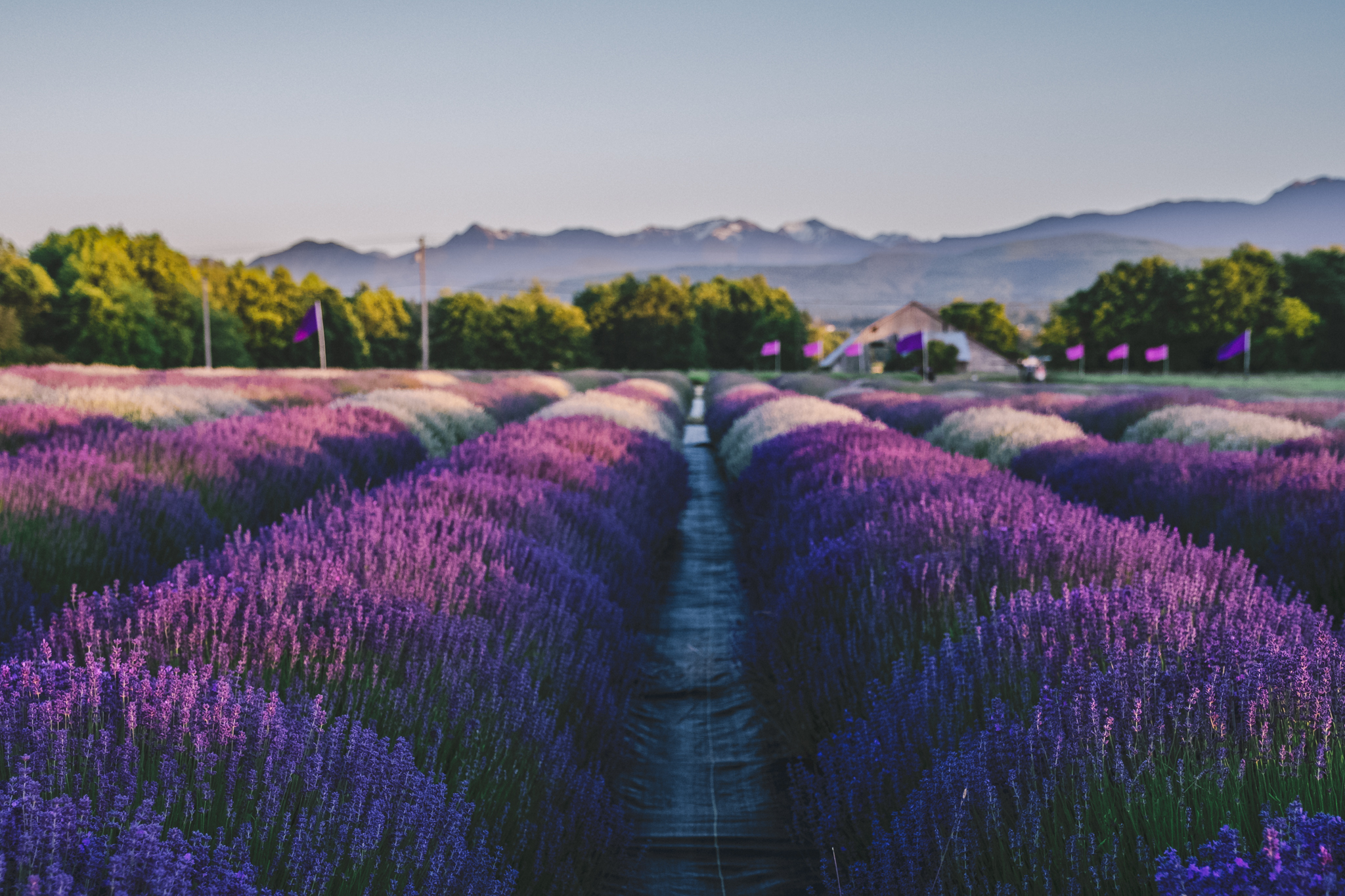
When to Prune Lavender (And How to Prune It Properly)

When to Prune Lavender Plants (And How to Trim Them Properly)

Lavender is a hardy, low-maintenance plant, but proper pruning is essential to keep plants healthy, compact, and producing flowers year after year. Many gardeners are unsure when to prune lavender or how much of the plant to cut back without damaging it.

In this guide, we’ll explain when to prune lavender, how far to cut it back, and what to do with the trimmed stems so your plants stay productive and attractive for years.

Quick Answer: When to Prune Lavender?

Lavender should generally be pruned once per year after the plant has finished flowering and gone dormant.

In cooler climates like Sequim, Washington, this usually happens between late October and February before new growth begins in spring.

When pruning lavender, always cut a couple of inches above the woody part of the plant and avoid cutting into old wood.

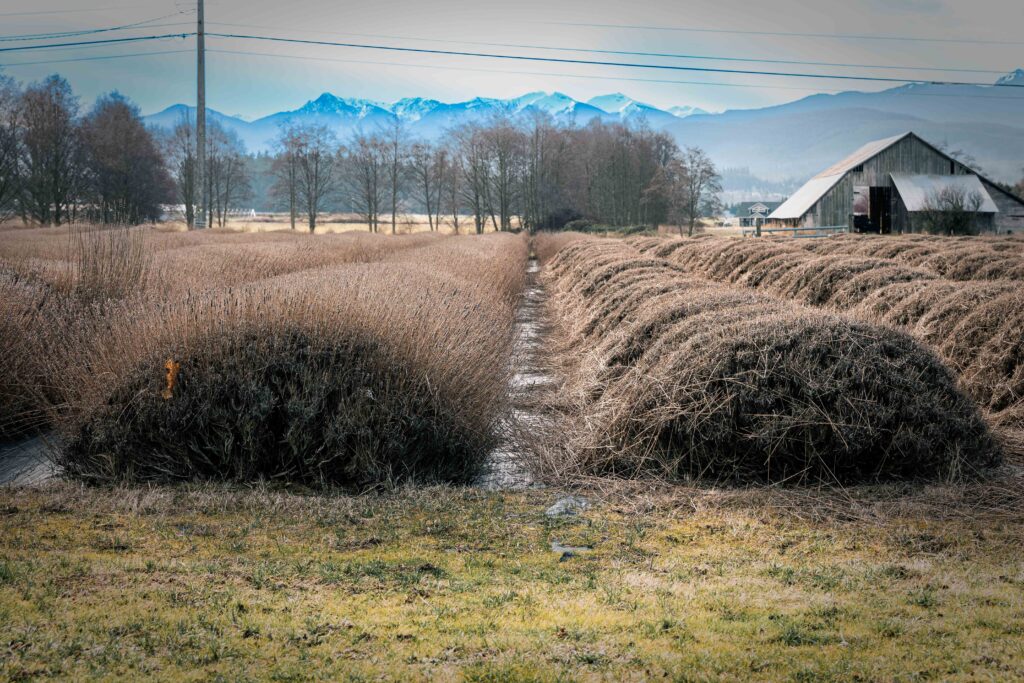
A unprunned lavender row of plants next to a pruned row of lavender plants

Planning a Lavender Trip to Sequim?

See current bloom conditions, lavender farm tours, and visitor information before your visit.”

Why Pruning Lavender Is Important

Why Pruning Lavender Is Important

Regular pruning helps lavender plants stay healthy and productive.

Benefits of pruning lavender include:

• Encouraging new growth
• Promoting more flowers the following season
• Preventing plants from becoming woody and leggy
• Keeping plants compact and well shaped
• Extending the lifespan of the plant

Without pruning, lavender plants can become woody and sparse, producing fewer flowers over time.

Tip From the Farm:

Lavender plants that are pruned every year tend to stay compact, rounded, and productive much longer. Plants that are left unpruned often become woody and split open in the center after a few seasons, which reduces flower production.

The Best Time of Year to Prune Lavender

The Best Time of Year to Prune Lavender

The best time to prune lavender depends on your climate, but most gardeners follow a simple yearly schedule.

Late Fall to Winter (Primary Pruning)
Once lavender has finished blooming and the plant begins to go dormant, it can be trimmed back. On our farm in Sequim, this typically happens between late October and Thanksgiving, though pruning can continue through winter before new growth starts.

Spring (Light Cleanup)
If winter damage occurs, a light spring trim can remove dead or damaged stems.

Summer (Deadheading)
After the main bloom, removing spent flower stems can encourage additional blooms and keep plants tidy. (If the lavender has not been havested)

Our Experience Growing Lavender in Sequim

“At B&B Family Lavender Farm, pruning timing depends heavily on seasonal weather and the specific lavender variety. In Sequim, we typically avoid pruning too late in the season because fresh growth can become vulnerable during colder weather.”

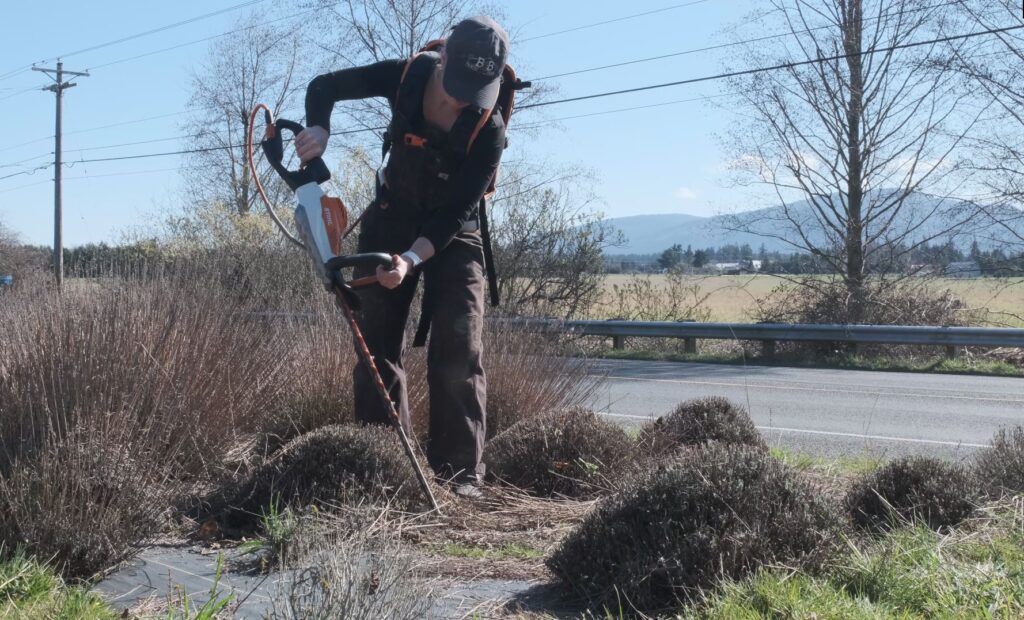
Farmer Kristy of B&B Family Lavender Farm pruninf lavender plants in the winter.
A unprunned lavender row of plants next to a pruned row of lavender plants

How Much Lavender Should You Cut Back?

When pruning lavender, avoid cutting into the woody base of the plant.

A good rule is to trim the plant back by about one-third, stopping a couple inches above the woody portion of the stems.

Lavender does not regenerate well from old wood, so cutting too low can damage the plant or prevent new growth.

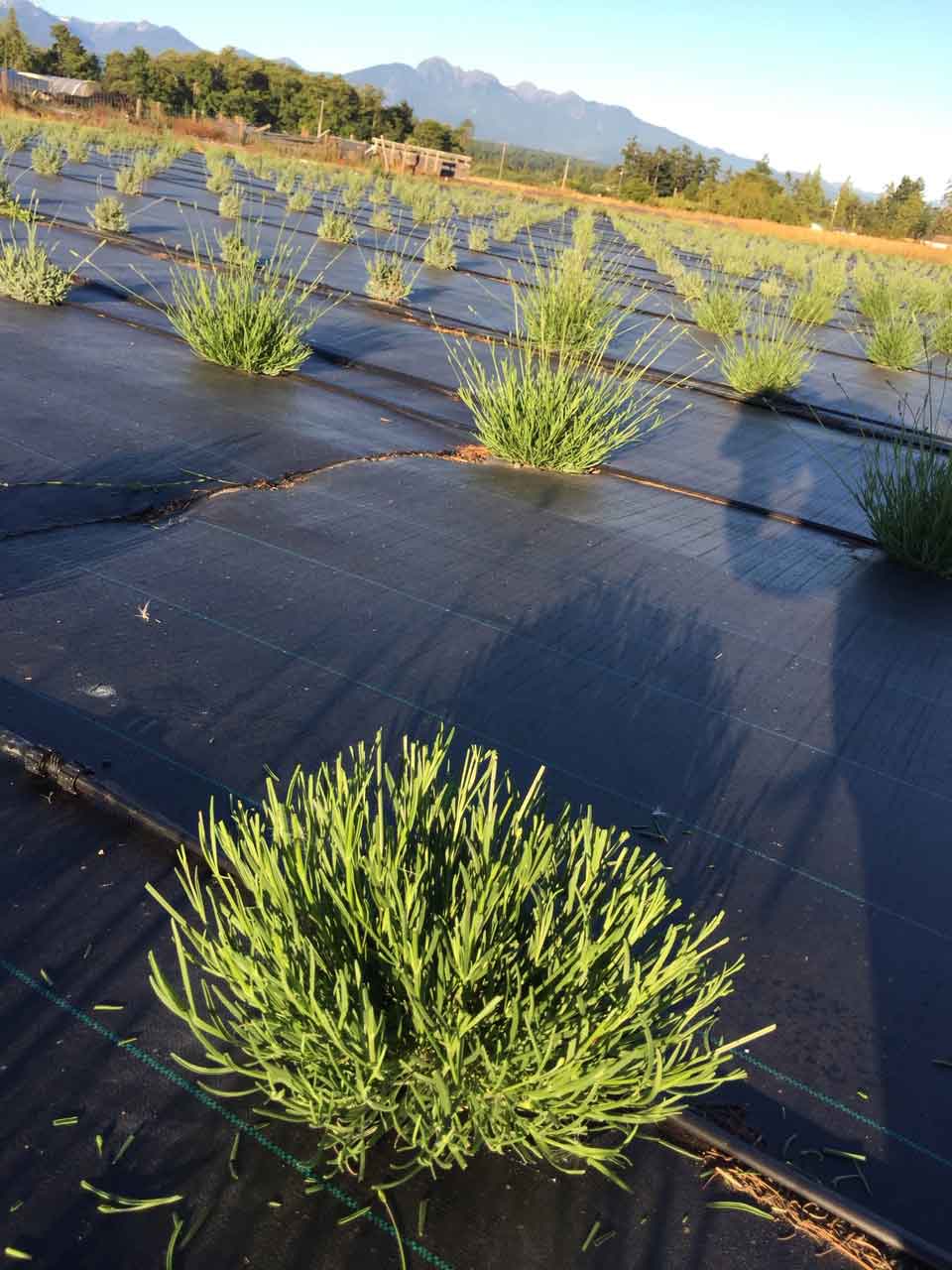
Healthy lavender plants should end up rounded and compact after pruning rather than tall and leggy.

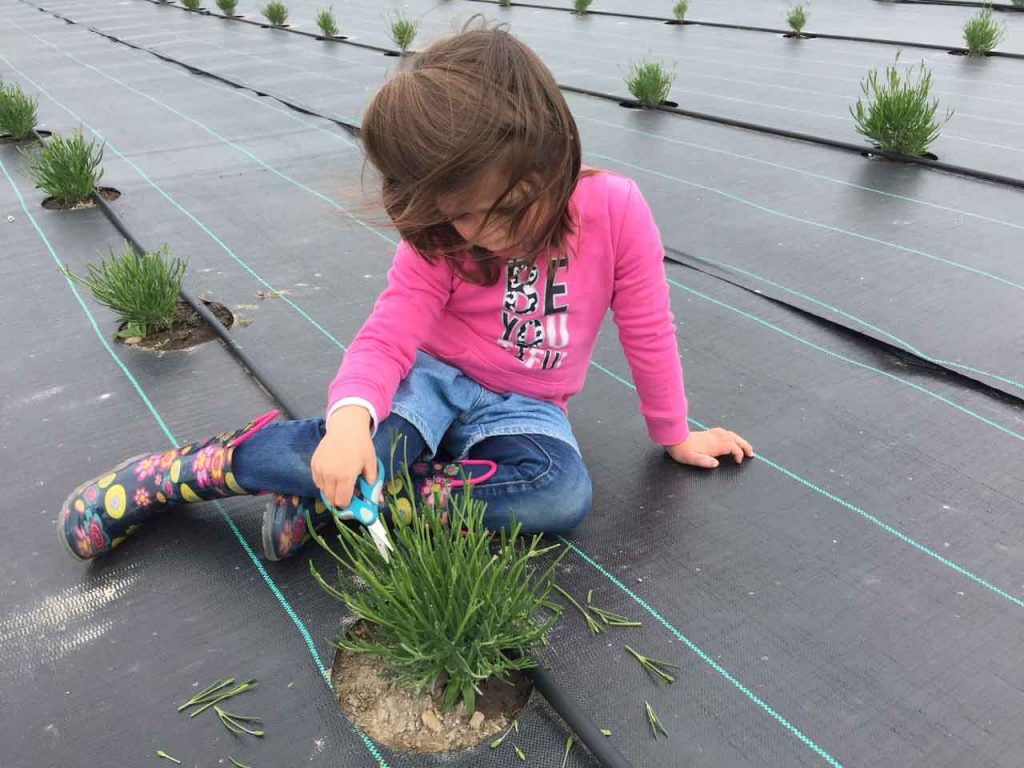
Harper Trimming Lavender Plants

What Tools Should You Use to Prune Lavender?

Lavender stems are relatively soft, so pruning does not require specialized tools.

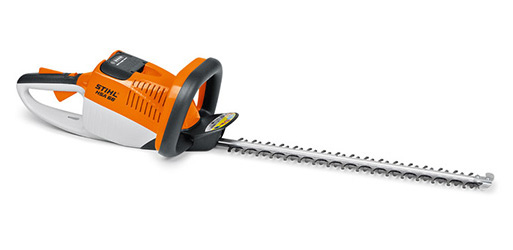
Most home gardeners use hand pruners or garden shears to trim and shape individual plants. On lavender farms, pruning is usually done with gas or electric hedge trimmers so large numbers of plants can be cut quickly and evenly.

For harvesting lavender stems for bundles or drying, many farms use grass sickles or harvest sickles to cut long stems cleanly.

Whatever tool you use, make sure it is sharp and clean so it makes smooth cuts and avoids unnecessary damage to the plant.


What to Do With Trimmed Lavender Stems

What happens to trimmed lavender stems often depends on when the plant is cut.

If lavender is being harvested while the flowers are in bloom, the stems are typically used for bundles, drying, sachets, or other lavender products.

However, if the plants were already harvested earlier in the season and you are simply pruning back the mostly flowerless stems after harvest, those cuttings are usually not used for products. On many farms they are composted, used as mulch, or spread around gardens and outdoor areas where the strong lavender scent can help discourage insects.

Even after the flowers are gone, the stems still contain aromatic oils and can be useful around the home or garden.

How to dry lavender

Lavender Pruning Do’s and Don’ts

Do

• Prune once per year
• Cut above the woody portion of the plant
• Shape plants into a rounded mound
• Remove dead or damaged stems

Don’t

• Cut deep into woody growth
• Leave plants untrimmed for multiple years
• Prune heavily during freezing conditions
• Wait until new growth has fully started

Can You Fix Woody Lavender Plants?

If lavender plants have not been pruned regularly, they may become woody and open in the center.

Unfortunately, lavender does not regenerate well from old wood. Severe woody growth can be difficult to correct, though gradual shaping over several seasons may help restore the plant’s form.

Regular yearly pruning is the best way to prevent this problem.

Sequim Lavender Bloom Calendar​

Lavender Care on Our Sequim Lavender Farm

At B&B Family Lavender Farm in Sequim, Washington, pruning and harvesting are an important part of maintaining healthy plants across our fields.

Each season our lavender is carefully harvested and trimmed to keep plants productive and to prepare them for the following year’s bloom.

Proper pruning is one of the reasons lavender can thrive for many years when cared for correctly.


Full bloom of a field of mixed angustifolia lavender varieties at B&B Family Lavender Farm in Sequim, Washington

Lavender Pruning FAQs

Lavender should be pruned after flowering, typically in late summer, and lightly again in early spring to encourage new growth. Here in Sequim, we typically wait until after the first light frost before doing our main pruning.

You should remove about one-third of the plant, avoiding cutting into the woody base where new growth may not occur.

Yes, cutting too far into the woody part of the plant can damage or kill it. Always leave some green growth.

Lavender can become woody, leggy, and produce fewer flowers over time if it’s not pruned regularly.


Light pruning after flowering is fine, but avoid heavy pruning late in the season as it can make the plant more vulnerable to cold.

Light pruning in early spring is possible, but it’s generally not recommended. Pruning too late can remove developing flower buds and new growth, reducing blooms for the season. It’s best to do your main pruning after flowering instead.

Learn More About Lavender

Visit B&B Family Lavender Farm

If you're visiting Sequim during lavender season, B&B Family Lavender Farm offers a relaxed, less crowded experience with wide open fields and handcrafted lavender products.

Get Directions
Shop Lavender Products